
CGM Device Guide
Dexcom G7
Two adults at a DAFNE refresher last month, both on Dexcom but different generations. The G6 sat under a transmitter clip and asked for two calibrations a day. The G7 needed neither. Same blood, similar lines, no daily fingerprick. The G7 is what most of the cohort is using now.
Ask Grace
Want to ask which AIT setting, sensor placement, or AID pairing fits your day on the G7? Ask Grace.
Framework status
Data sufficiency: Met. n=316, 619 sensors, 77,774 matched reference pairs (Garg et al., 2022).
Device specifications
The headline numbers sit in the framework card above. The full device profile is here for anyone who wants the detail.
Full device profile
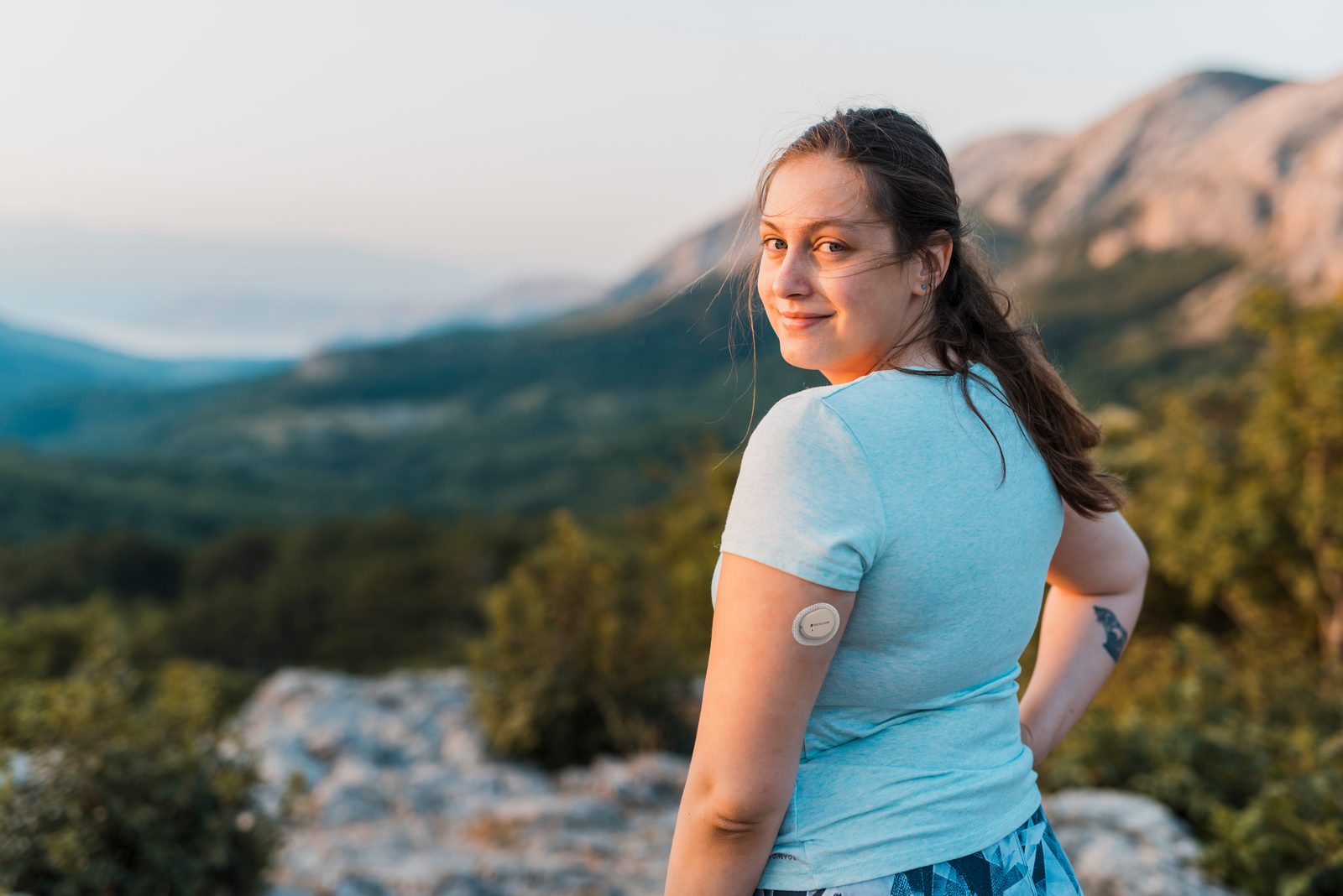
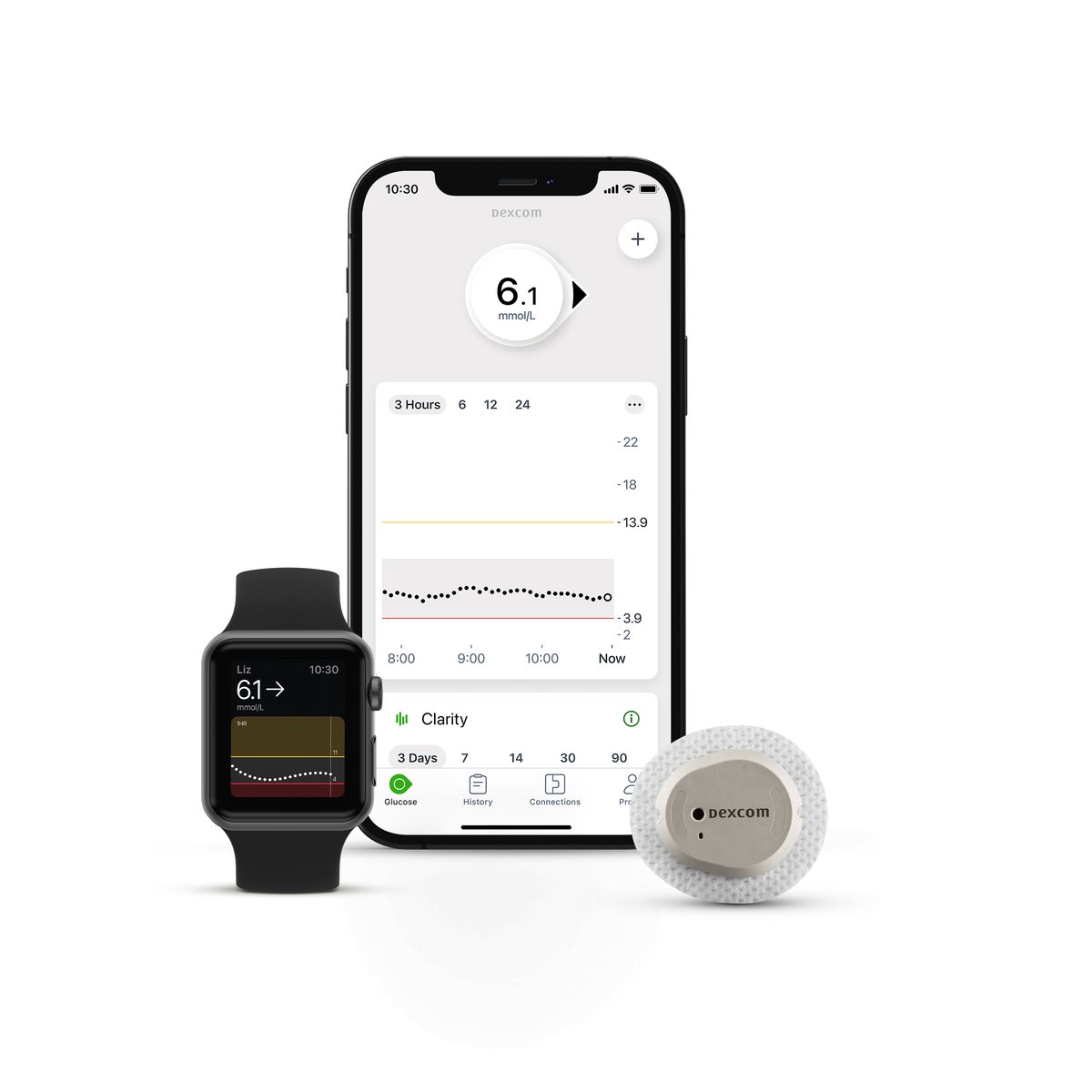
Manufacturer: Dexcom. Wear duration: 10 days plus 12-hour grace period (standard G7). ±20/20 agreement: 95.3% arm, 93.2% abdomen. Outside ±40/40: below 1% of readings (the black-swan zone, see the accuracy page). Calibration: not required, factory-calibrated; optional calibration accepted. Transmitter: all-in-one, integrated into the disposable sensor pod. Readings: every 5 minutes, continuous Bluetooth. Display: Dexcom app on iOS and Android, plus an optional standalone receiver. Indication: non-adjunctive (no confirmatory finger prick required for insulin dosing). Age indication: 2 years and older (buttock placement option for ages 2 to 6).
Accuracy
The number that matters is the ±20/20 agreement rate, the proportion of CGM readings close enough to laboratory truth to dose insulin from without a finger-prick. For the G7, that figure is 95.3% at the upper-arm placement Dexcom recommends, and 93.2% on the abdomen (Garg 2022, Diabetes Technology and Therapeutics). Paediatric data carries the same picture: 95.3% within ±20/20 on the upper arm and 92.9% on the abdomen across ages 7 to 17 (Laffel et al. 2022, Journal of Diabetes Science and Technology). The full thesis on what these numbers mean, and on the small fraction of readings that fall outside the ±40/40 safety band where errors become large enough to matter clinically, lives on the accuracy page.

AID system compatibility
The G7 has the widest AID system compatibility of any CGM currently on the UK market. Whichever pump someone is on, the sensor does not have to change.
One sensor, three AID systems. The G7 is the only CGM currently approved for use with Omnipod 5, Tandem t:slim X2 with Control-IQ, and CamAPS FX, the three patient-led AID systems on the UK market. The MiniMed 780G runs on its own three-sensor ecosystem and does not pair with the G7.
For people using a Tandem, Insulet, or mylife system, the G7 is the same sensor across pumps, a level of flexibility no other CGM currently offers.
What the G7 brings beyond accuracy
Alarms and alerts
Customisable high and low alerts, urgent-low alert, rapidly-falling alert. The 12-hour grace period at end-of-life means no end-of-sensor alarm until the grace window expires, less interruption.
Follow and Share
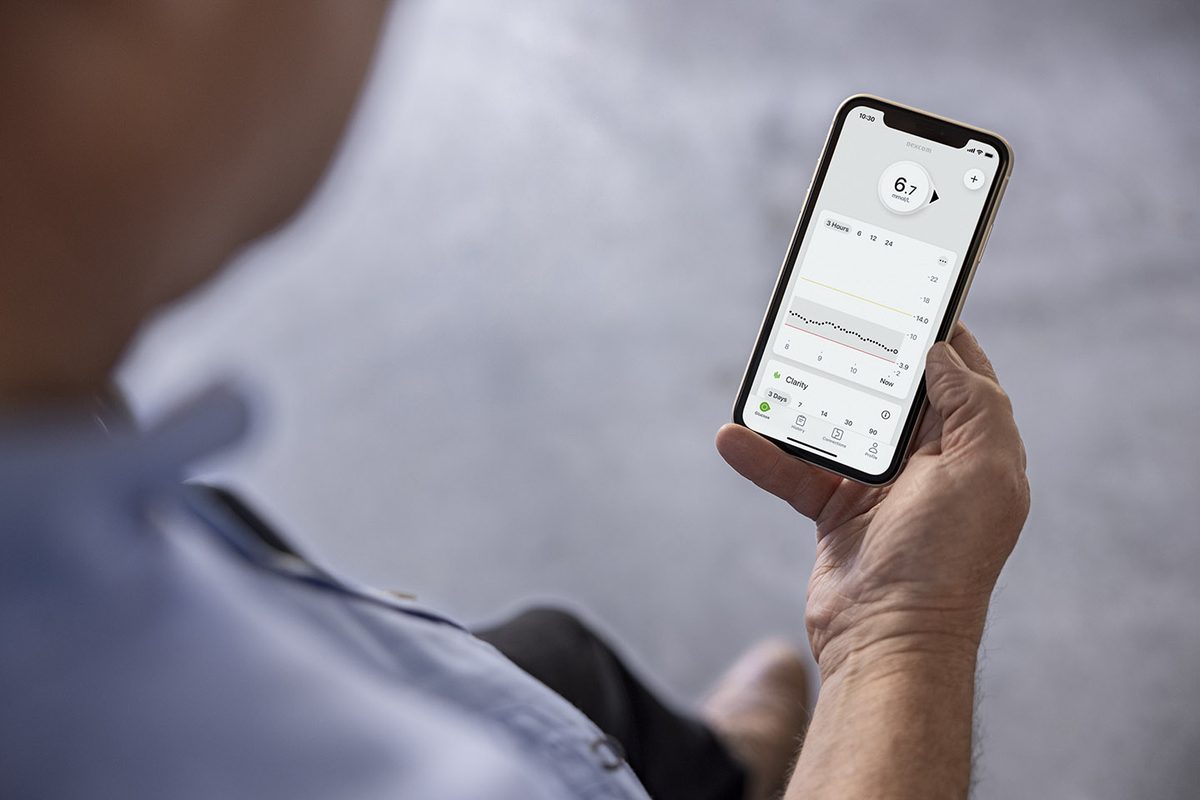
The Dexcom Follow app lets family, carers, and school staff see real-time glucose data. Particularly valued in paediatric use and in transition to independent young adulthood.
All-in-one design
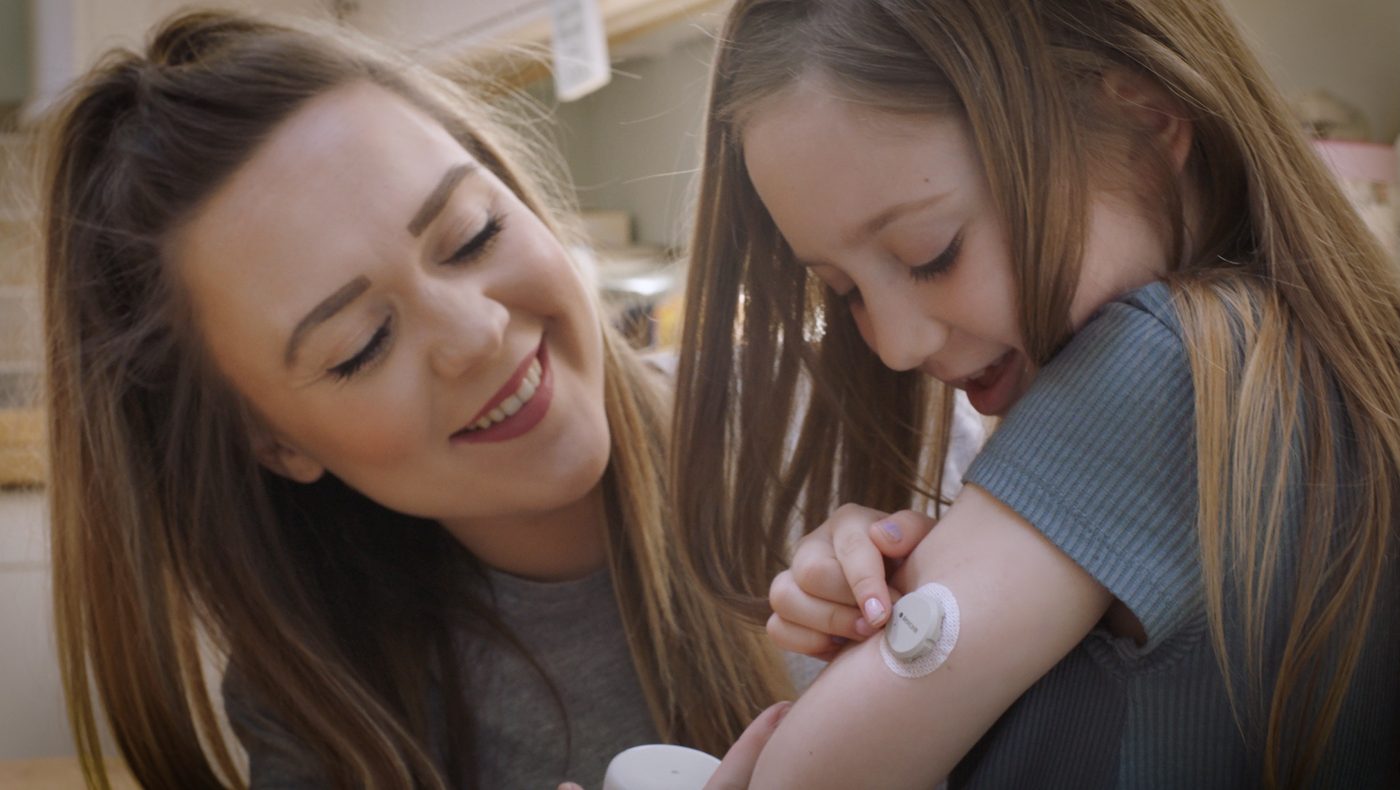
Unlike the G6, the G7 has no separate transmitter clip. The transmitter sits inside the disposable sensor pod, fewer parts to manage, fewer things to lose.

Optional calibration
Factory-calibrated by default, but accepts an optional calibration entry if someone wants one. Any calibration entered should come from a properly performed finger-prick reading, never from another CGM.
Receiver option
A standalone Dexcom receiver is available for anyone who prefers not to use a smartphone, including settings (work, school, prison-related) where personal phone use is restricted.
Survive and Thrive, Dexcom G7
A one-page A4 resource for the first two weeks on the G7. Sensor placement, alarm priorities, share-and-follow setup, and the everyday habits that keep accuracy where it should be.
Device 1 of 5
Dexcom G7